Archives
- 2025-12
- 2025-11
- 2025-10
- 2025-09
- 2025-03
- 2025-02
- 2025-01
- 2024-12
- 2024-11
- 2024-10
- 2024-09
- 2024-08
- 2024-07
- 2024-06
- 2024-05
- 2024-04
- 2024-03
- 2024-02
- 2024-01
- 2023-12
- 2023-11
- 2023-10
- 2023-09
- 2023-08
- 2023-07
- 2023-06
- 2023-05
- 2023-04
- 2023-03
- 2023-02
- 2023-01
- 2022-12
- 2022-11
- 2022-10
- 2022-09
- 2022-08
- 2022-07
- 2022-06
- 2022-05
- 2022-04
- 2022-03
- 2022-02
- 2022-01
- 2021-12
- 2021-11
- 2021-10
- 2021-09
- 2021-08
- 2021-07
- 2021-06
- 2021-05
- 2021-04
- 2021-03
- 2021-02
- 2021-01
- 2020-12
- 2020-11
- 2020-10
- 2020-09
- 2020-08
- 2020-07
- 2020-06
- 2020-05
- 2020-04
- 2020-03
- 2020-02
- 2020-01
- 2019-12
- 2019-11
- 2019-10
- 2019-09
- 2019-08
- 2019-07
- 2019-06
- 2019-05
- 2019-04
- 2018-11
- 2018-10
- 2018-07
-
In the present study we combined activity
2020-04-10
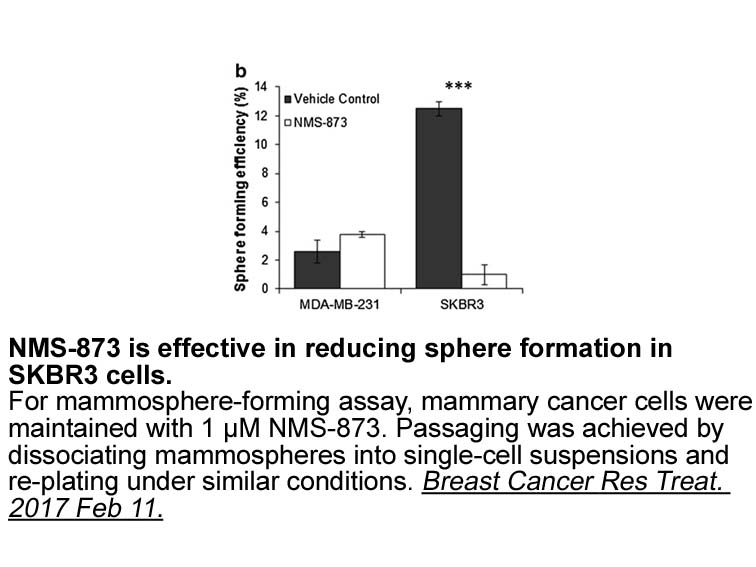
In the present study, we combined activity-based protein profiling, biochemical and genetic approaches to identify the PLCPs involved in the sphingolipid pathway leading to plant PCD. By using Arabidopsis acetylcholine chloride receptor and leaves, we demonstrate that this sub-class of plant protea
-
In the cytoplasm the ternary CRM cargo
2020-04-10
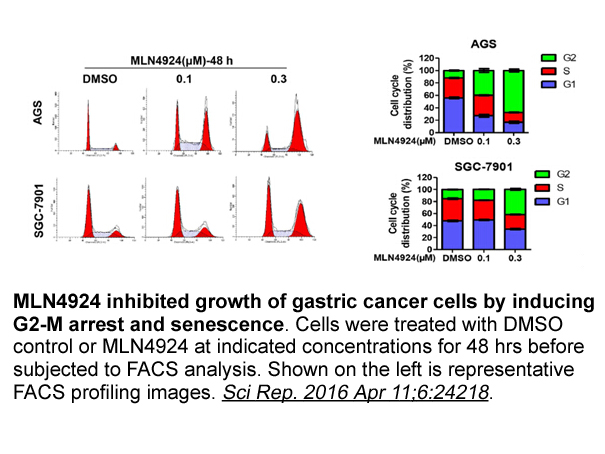
In the cytoplasm, the ternary CRM1–cargo–RanGTP complex is disassembled by the action of Ran-binding proteins RanBP1/2 and RanGAP. A recent kinetic study showed that the Ran-binding domains (RanBDs) of the cytoplasmic proteins RanBP1 and RanBP2, but not RanGAP, accelerate dissociation of NES from CR
-
The mechanism underlying the increased PON levels found in g
2020-04-10
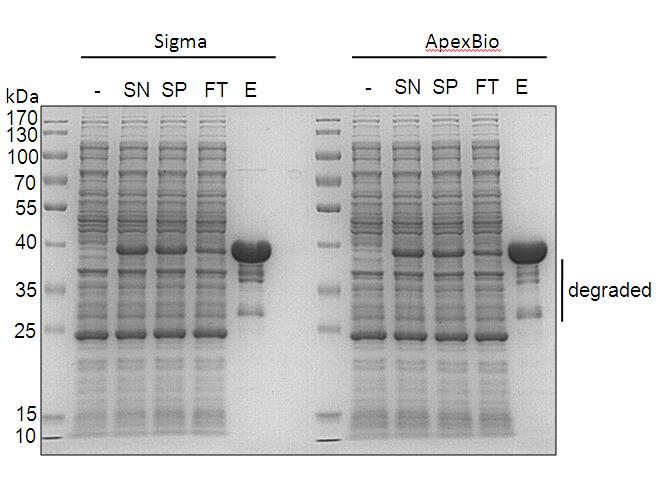
The mechanism underlying the increased PON1 levels found in greenhouse workers may be accounted for by an increased protein Gap19 following pesticide interaction with different nuclear receptors as also occurs with other chemicals, such as polyphenols and statins [28]. A number of nuclear receptors
-
br Author Contributions Statement br
2020-04-10
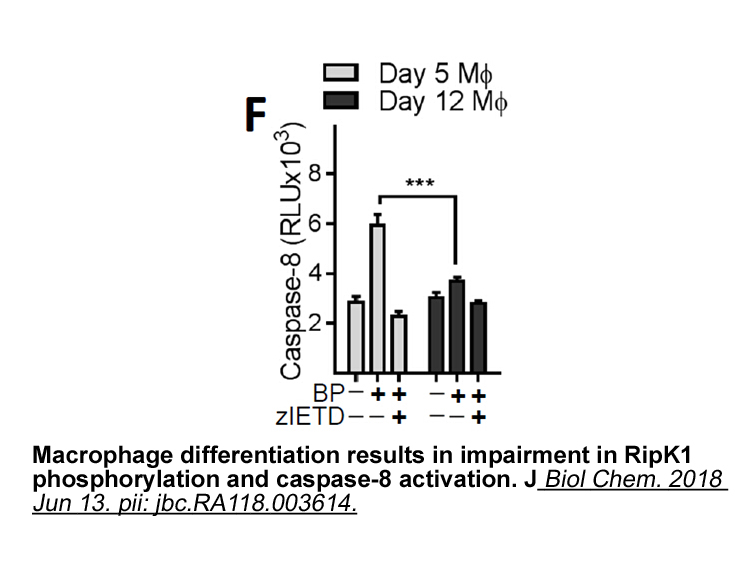
Author Contributions Statement Conflicts of interest Acknowledgments We thank T. Ishii, H. Inaba, and S. Nakamura (Department of Cell Biology, TMDU) for kindly gifting BACCS and technical assistance; S. Kaneko, Y. Ishida, and R. Usumi (Department of Orthodontic Science, TMDU) for experiment
-
Support for Cloninger s personality
2020-04-10
Support for Cloninger\'s personality theory comes also from molecular genetic studies. Given the high heritability of personality it is plausible that gene variants explain variance in RD. In KY 02111 to endocrine studies, which relate hormone levels mostly in the periphery (blood, saliva, urine) to
-
First of all two assumptions just as in Ref
2020-04-10
First of all, two assumptions just as in Ref. [30] are need to simplify the penetration process: (1) The crater phases is short and the sapanisertib of EFP is consumed little; thus, the influence of crater on penetration can be ignored; (2) the initial stagnation radial pressure is equal to axial p
-
The growth inhibitory effect of PGE has been linked
2020-04-10
The growth inhibitory effect of PGE2 has been linked to the ability of Gs coupled PGE2 receptors EP2 and EP4 to mediate elevation of cAMP [22], [23]. Evidence suggests that this mechanism may not be the key cause of growth inhibition [24]. In various cell types, EP4 receptor has been shown to utiliz
-
PH-797804 Since Slaughter s proposal of a genetic
2020-04-10
Since Slaughter’s proposal of a genetic field defect concept for the explanation of the local relapse occurrence, much evidence has accumulated for its confirmation. The last ten years brought evidence that the genetic changes in the field are frequently accompanied by epigenetic aberrations. The ep
-
br Concluding remarks A crucial step in the
2020-04-09
Concluding remarks A crucial step in the microbial degradation of steroids is the 1(2)-dehydrogenation of the steroid nucleus by FAD-dependent Δ1-KSTDs. This step is required to initiate the opening of the steroid nucleus under both aerobic and anaerobic conditions. A large variety of steroid-deg
-
Several reasons may explain that other studies
2020-04-09
Several reasons may explain that other studies using PDE-5-Is yielded negative or contradictory results [30], [31], [32]. Lee [30] applied 50mg sildenafil to seven patients with liver cirrhosis. NO and cGMP in the hepatic 3-CPMT synthesis significantly increased, hepatic and pulmonary resistance d
-
orexin receptor antagonist Nitrid oxide NO and its potential
2020-04-09
Nitrid oxide (NO) and its potential endogenous production as an endothelium-derived factor was the first gaseous molecule accepted to be a signaling mediator in the organism [4,5]. NO plays a key role in physiological regulation of the orexin receptor antagonist and exerts physiological functions in
-
Dehydrogenation by a KSTD is
2020-04-09
— 1(2)-Dehydrogenation by a Δ1-KSTD is also a crucial step during ruthenium red degradation of the steroid core. Several Δ1-KSTDs were shown to be active under either aerobic or anaerobic conditions [27,29,47,50,66]. Furthermore, the last common intermediate of both aerobic and anaerobic steroid d
-
Nociceptive and hyperalgesic actions of ET are produced
2020-04-09
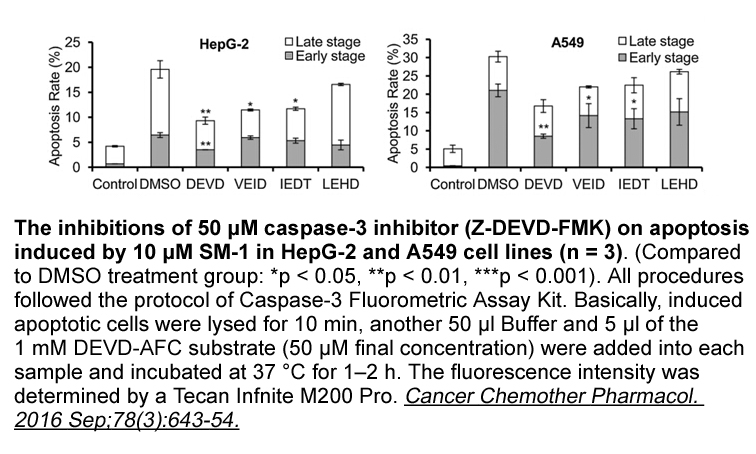
Nociceptive and hyperalgesic actions of ET-1 are produced through ETA and ETB receptors. Previous reports indicate that ETA receptor antagonists in peripheral tissues are effective in inhibiting ET-1 induced hyperalgesia, and attenuation of neuropathic pain in rats [16]. Studies have also shown that
-
SIRT has deacetylated regulation on numerous
2020-04-09
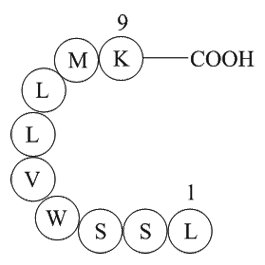
SIRT1 has deacetylated regulation on numerous nonhistone protein substrates [Atgs, Foxo1, Foxo3, PGC-1α, NF-kB, E2F1 and p53] (Conrad et al., 2016) to play a key role in protecting against cell stress. Therefore, the role of SIRT1 in fluorine-induced oxidative stress was explored. The results reveal
-
Concholepas concholepas our model species for
2020-04-09
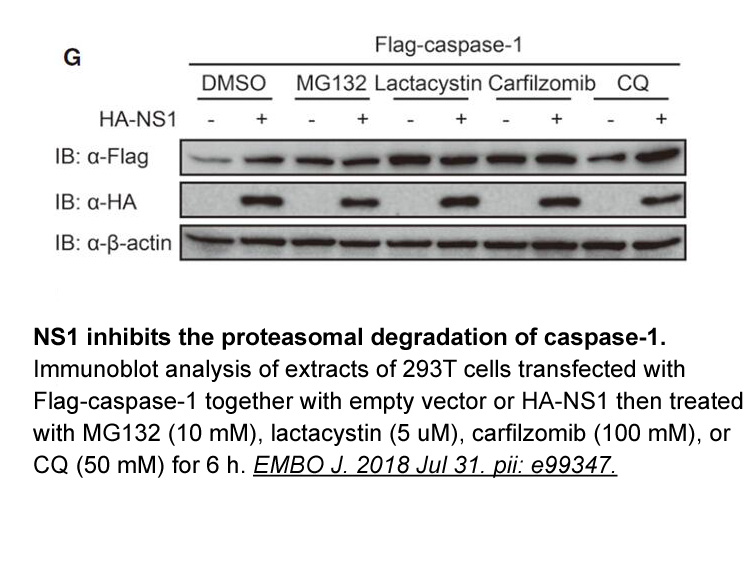
Concholepas concholepas, our model species for this study, is a marine gastropod found along the Chilean coast that has become commercially important [25], [26], [27]. Until now, the main focus of immunology related to C. concholepas is the production of a novel hemocyanin that has been useful for t
15871 records 847/1059 page Previous Next First page 上5页 846847848849850 下5页 Last page